


NMDHB
Skip Navigation Links
Home
NMDHB Skip Navigation Links
Staying Well
NMDHB Skip Navigation Links
Health Concerns?
NMDHB Skip Navigation Links
When I Need Care
NMDHB Skip Navigation Links NMDHB Skip Navigation Links
Links
NMDHB
NMDHB
NMDHB NMDHB NMDHB NMDHB NMDHB NMDHB


NMDHB

Emergency Planning

NMDHBClick Here for Influenza A H1N1 Swine Flu - Media Releases


NMDHBClick Here for Influenza A H1N1 Swine Flu - Community Updates


Community Alerts - Influenza A H1N1 Swine Flu

Influenza A H1N1 Swine Flu - Public Information
 
Signs to look for if an ill person:
   · Starts to feel better, then gets worse
   · Has a temperature of 38°C  or greater  
   · Has chills or severe shaking
   · Has difficulty breathing or chest pain
   · Has purple or blue discolouration of the lips
   · Is less responsive than normal, is unusually quiet, or becomes confused
   · Is vomiting and unable to keep liquids down
   · Has signs of dehydration such as dizziness when standing, not urinating, 
     and in infants, a lack of tears when they cry
   · Has seizures or convulsions

If any of these things occur, or if you are concerned, call the local 0800 FLU INFO line (0800 358 4636) or Healthline 0800 611 116 or phone your GP for advice.

Infants and Children need clinical assessment if one or more of following is present:
   · Shortness of breath (infants may manifest this as feeding difficulties)
   · Increased work of breathing
   · Unable to keep fluids down and poor urine output
   · Very lethargic, irritable or drowsy
   · Very pale or blue lips or gums
   · Skin rash
   · Underlying disease; lung disease asthma, cystic fibrosis, heart disease, severe 
     kidney problems, cerebral palsy, immune compromised, steroids, or diabetes

Internationally fatalities associated with Swine Flu have been predominantly in people 30 to 50 years of age. However in Australia hospitalisations are predominantly in children under 10 years of age.

If you do not have a GP contact your local Primary Health Organisation to arrange a GP before you need one. Choose the area closest to you from the two options below.

Nelson Bays Primary Health       Kimi Hauora Wairau
Nelson Tasman region                    Marlborough region
www.nelsonpho.org.nz                www.marlboroughpho.org.nz

Do not turn up to the hospital without having first had an assessment by phone on the 0800 numbers or through your GP.

Further information; including translations of material into other languages is available on http://www.moh.govt.nz/

Travel Advice
At the moment the Ministry of Health advice is that if people have returned or arrived from overseas and they are well, then they can carry on as usual going to school or work.
People should refer to the MFAT website for travel advice

Parents and Caregivers
Parents and caregivers should consider what options are available to them to ensure appropriate childcare arrangements if school closures occur.  School closures are not being recommended at this time, but if the situation changes they may be required at short notice.

Vaccine
The WHO move to phase 6 Global Pandemic is the global trigger for the preparation of pandemic vaccine.   New Zealand has two existing contracts in place for pandemic vaccine and continues to explore all available options for the supply of such vaccine.  However, vaccine delivery is not imminent because manufacturing is only in the very early stages.

Getting Advice
Members of the public with concerns should in the first instance call the local 0800 FLU INFO (0800 358 46 36) or national Healthline 0800 611 116 or their GP.

Routine Infection Control Advice for Seasonal Influenza

1 - Wash your hands with soap under warm running water. Alcohol-based hand gel can also be used if soap and water are not readily available. It’s a good idea to keep some with you in your pocket or purse when you travel.

2 - Practice proper cough and sneeze etiquette. Cover your mouth and/or nose with a clean tissue or sneeze into your elbow to reduce the spread of germs. Remember to dispose of the tissue and wash your hands afterwards.

3 - Try to avoid close contact with sick people.

4 - Monitor your health.

5 - Contact 0800 FLU INFO line (0800 358 4636) or Healthline 0800 611 116 or phone your GP for advice if you have prolonged or severe symptoms or an underlying health condition.

For more information go to http://www.moh.govt.nz/


Emergency Management

Emergency Management is a vital part of the NMDHB strategy to ensure that the healthcare facilities and services  provided by the District Health Board, in a disaster or unplanned event, will respond and recover effectively. 

As a critical service, community healthcare facilities and services need to have defined, documented and practiced emergency response plans (including service continuity plans) to effectively manage these situations.

The Emergency Management team work throughout the NMDHB district with hospital staff through to community healthcare providers. The NMDHB also works closely with other agencies such as local Civil Defence Emergency management groups, Police, Fire and Ambulance and other groups in response planning, to provide for better resilient communities.
 
In an Emergency

Dial 111 – and ask for an Ambulance

Accidents and Emergencies
NMDHB provides a 24-hour clinically-integrated Emergency Department (ED) for emergency and acute presentations. This is part of a secure pathway from initial assessment to admission at the appropriate facility for definitive care.


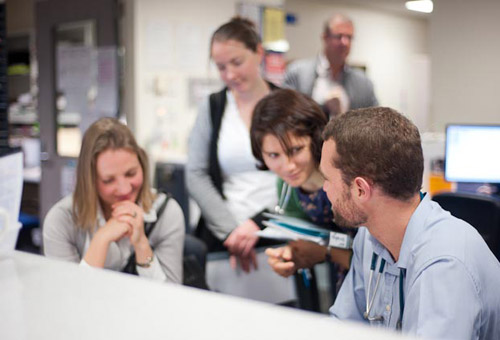
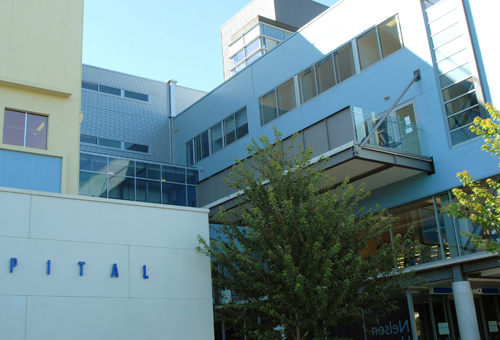
(Nelson Hospital staff during a mass casualty exercise)


Information and updates on the current situation are available at:
Ministry of Health http://www.moh.govt.nz/influenza-a-h1n1
Centre for Disease Control: http://www.cdc.gov/swineflu/
World Health Organisation: www.who.int
Free health advice is also available by calling Healthline on 0800 611 116

Resources
A H1N1 Display Signage for GP Practices - click here

A H1N1 GP waiting room signage - click here

Influenza Infection Control Poster - click here

Stop Flu Poster - Bislama

Swine Flu Information for patients and carers at home and in care facilities - click here
 
Information for pregnant women - click here
 
Self-care for Adults at home - click here

Self-care for Children at home - click here

Information for Visitors to Nelson and Wairau Hospitals


Ministry of Economic Development

Departement of Labour (for businesses and employers)

World Health Organisation

Civil Defence


Emergency Supplies Kit
Checklist:
www.moh.govt.nz/
moh.nsf/pagesmh/5196/
$File/emergency-supplies-kit.pdf


Running a Business?
You will find some ideas in the Business Planning Guide at www.med.govt.nz - select from the list 'Influenza Pandemic Planning Information for Business Continuity' then select '1.Business Continuity Planning Guide'


Emergency Managemnet Seminars

Emergency management seminars are being provided for Health providers funded by the DHB. The seminars will be focused on service continuity and the Emergency management resource Kit which is being made avalible to providers.


NMDHB
 
NMDHB NMDHB


NMDHB