

A new CT scanner for Wairau Hospital
Wairau Hospital in Blenheim is having a new dual-energy CT scanner installed.
Read Full Article


To help us to better understand patient experiences, and improve the way we work, we welcome your feedback.
Submit your feedback
Healthline is here to help you 24 hours a day, 7 days a week. Phone calls are free from within New Zealand – this includes calls from a mobile phone.
View Healthline's websitePharmacies:
Click here to find pharmacies on Healthpoint ↗
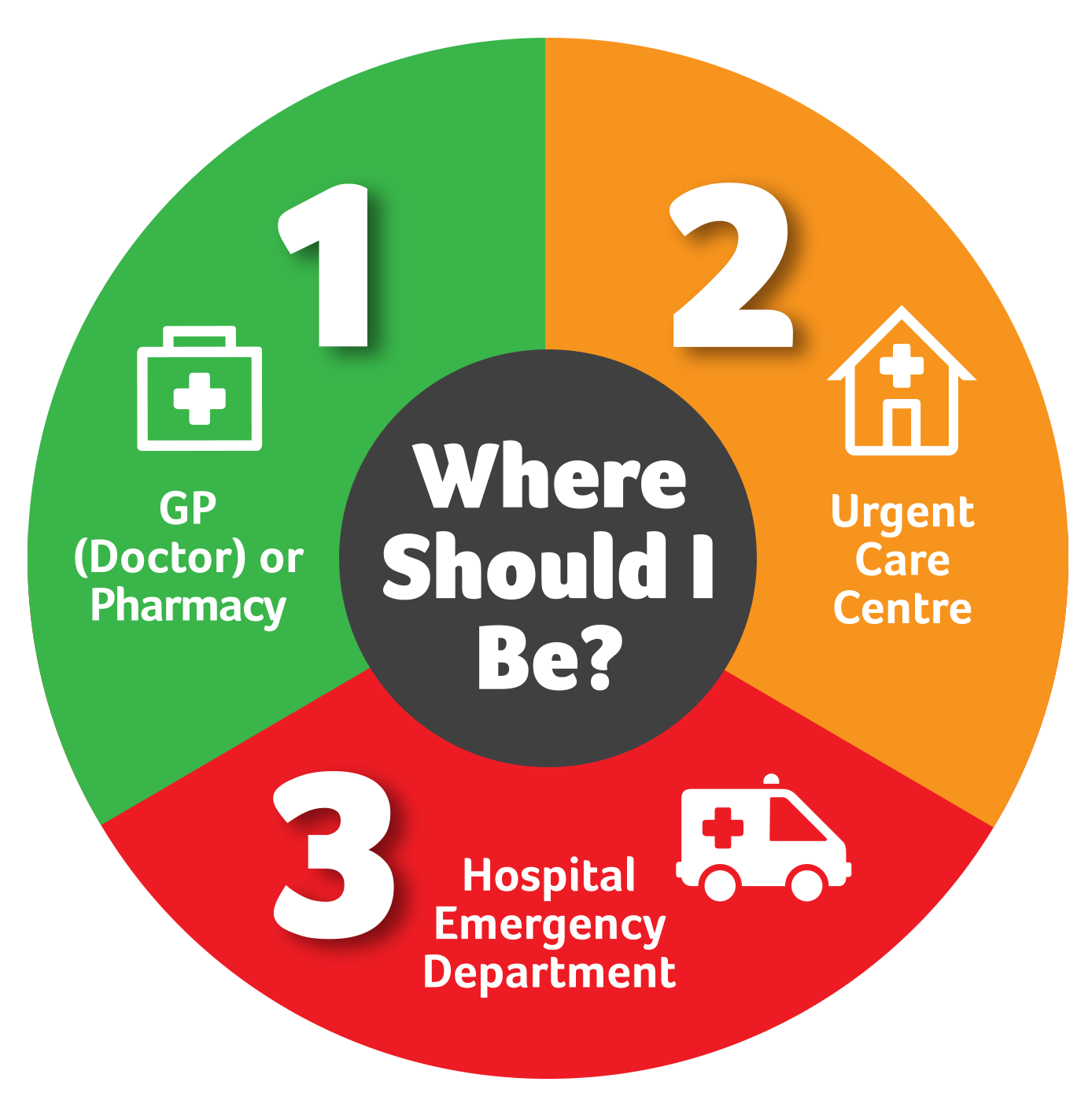
Urgent or After-Hours Care:
Nelson • Marlborough • Motueka • Golden Bay • Murchison
Emergencies Only - Hospitals:
Nelson • Wairau • Murchison • Alexandra

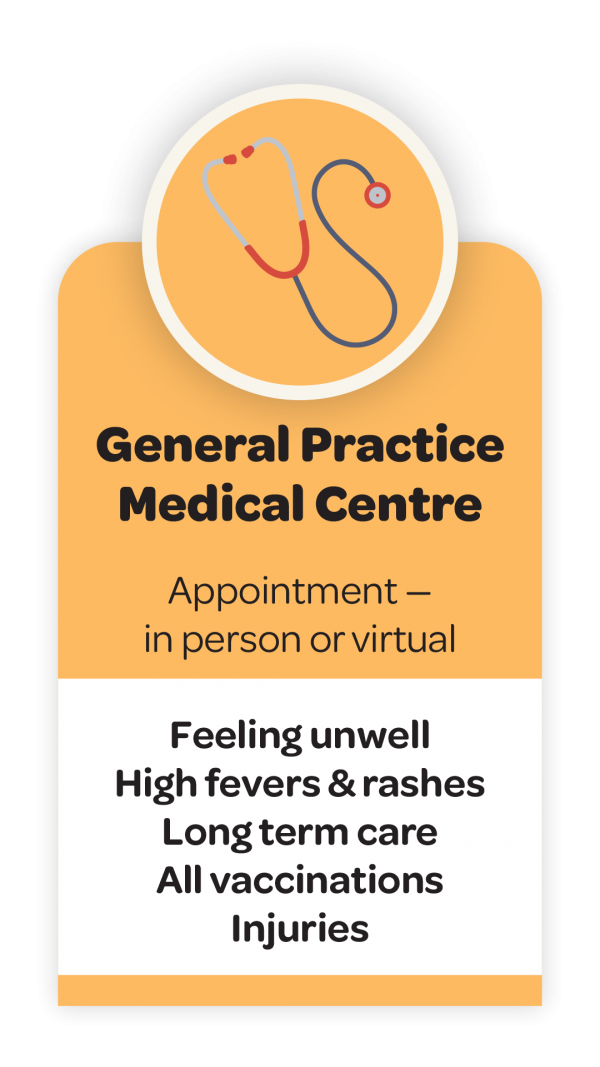
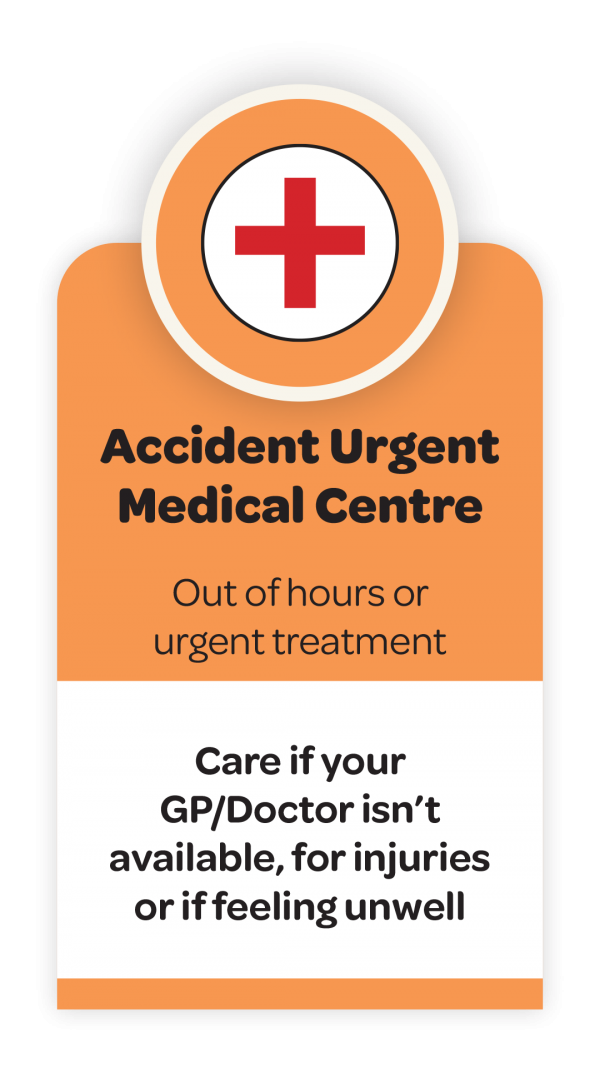
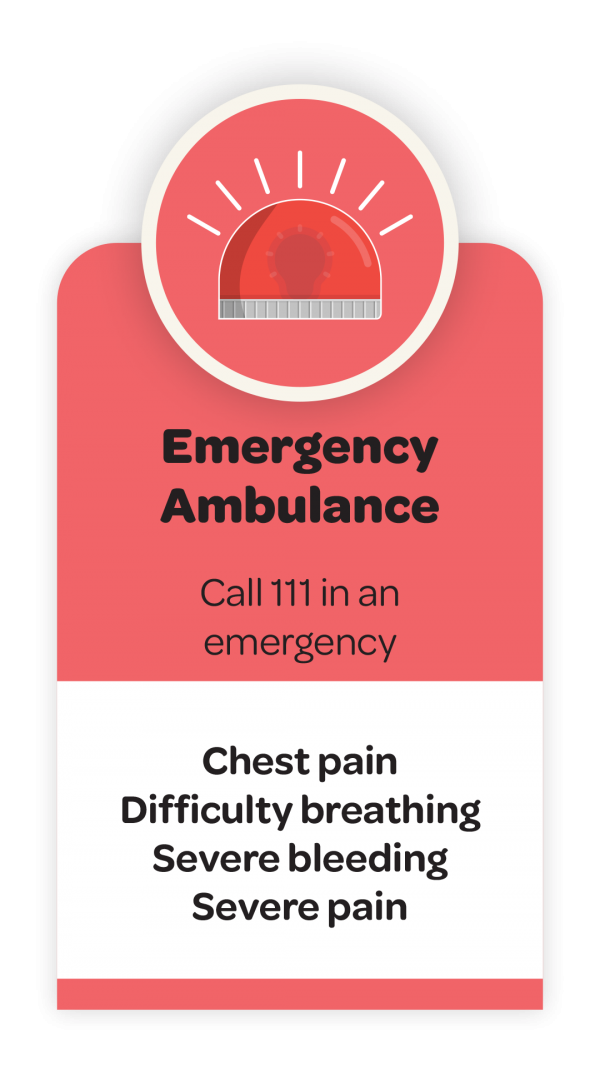
Click here to see all Nelson pharmacies & opening hours ↗
We fund Nelson Tasman Primary Health to provide primary care services in the region.
Click here for more information about GPs in Nelson
Dedicated hauora Māori wellness services are provided by Te Piki Oranga.
Click here for more information about healthcare services and support available ↗
The Richmond Health Hub is home to several healthcare organisations.
PHONE: (03) 546 8881
HOURS: 8am - 10pm daily. Appointments from 8.30am
ADDRESS: Next to the Emergency Department at Nelson Hospital - 98 Waimea Road, Nelson
FEES: click here to view the fee schedule ↗
Click here for more information about Nelson Medical & Injury Centre
In an emergency, call 111 for an ambulance or go to Nelson Hospital Emergency Department. Access to the Emergency Department is from Waimea Road.
Please only come to the Emergency Department for critical healthcare needs. For general healthcare, visit your GP or the Medical & Injury Centre.
Click here for more information about Nelson Hospital
Click here to see all Marlborough pharmacies & opening hours ↗
We fund Marlborough Primary Health to provide primary care services in the region.
Click here for more information about GPs in Marlborough
Dedicated hauora Māori wellness services are provided by Te Piki Oranga.
Click here for more information about healthcare services and support available ↗
The Marlborough Community Health Hub is home to several healthcare organisations.
Click here for more information about Marlborough Community Health Hub
PHONE: (03) 520 6377
HOURS: 8am - 5pm daily
ADDRESS: Next to the emergency department Wairau Hospital - Hospital Road, Blenheim
FEES: click here to view the fee schedule ↗
Click here for more information about Marlborough Urgent Care Centre
In an emergency, call 111 for an ambulance or go to Wairau Hospital Emergency Department. Access to the Emergency Department is from Hospital Road.
Please only come to the Emergency Department for critical healthcare needs. For general healthcare, visit your GP or the Urgent Care Centre.
Click here to see all Motueka pharmacies & opening hours ↗
We fund Nelson Bays Primary Health to provide primary care services in the region.
Click here for more information about GPs in Motueka
Dedicated hauora Māori wellness services are provided by Te Piki Oranga.
Click here for more information about healthcare services and support available ↗
The Motueka Community Health Centre is home to several healthcare services.
Click here for more information about Motueka Community Health Centre
Call 0800 MOT GPS (0800 668 477)
In an emergency, call 111 for an ambulance or go to Nelson Hospital Emergency Department. Access to the Emergency Department is from Waimea Road.
Click here to find more information about Nelson Hospital
See all Golden Bay pharmacies & opening hours ↗
We fund Marlborough Primary Health to provide primary care services in the region.
Click here for more information about GPs in Golden Bay
Dedicated hauora Māori wellness services are provided by Te Piki Oranga.
Click here for more information about healthcare services and support available ↗
Golden Bay Community Health is an integrated rural health centre comprising medical practice (providing GP services), rural hospital and residential elderly care.
Click here for more information about Golden Bay Community Health
Call the Golden Bay Community Health Centre
PHONE: (03) 525 0060
Click here for more information about Golden Bay Community Health Centre
In an emergency, call 111 for an ambulance or go to Nelson Hospital Emergency Department. Access to the Emergency Department is from Waimea Road.
Please only come to the Emergency Department for critical healthcare needs. For general healthcare, visit your GP or the Medical & Injury Centre.
Click here for all Murchison pharmacies & opening hours ↗
The Murchison Aged Residential Care Hospital & Health Centre has a general practitioner/nurse practitioner available on weekdays
Click here for more information about the centre
Dedicated hauora Māori wellness services are provided by Te Piki Oranga.
Click here for more information about healthcare services and support available ↗
If you are in need of urgent or after-hours medical care, please phone the Murchison Aged Residential Care Hospital & Health Care Centre on (03) 523 1120
For general health needs, please visit your GP.
If you are in need of emergency medical care, please phone the Murchison Aged Residential Care Hospital & Health Care Centre on (03) 523 1120 to speak with a trained emergency medical professional.
In an emergency call 111 for an ambulance or go to Nelson Hospital Emergency Department (approximately a 1.5-hour drive away from Murchison)
Click here for more information about Nelson Hospital
Wairau Hospital in Blenheim is having a new dual-energy CT scanner installed.
Read Full ArticleHealth New Zealand | Te Whatu Ora Nelson Marlborough recently introduced a new Patient at Risk (PAR) team who will play a pivotal role in providing patients and whānau with...
Read Full ArticleKate Giblin, Registered Nurse (left), stands next to Jodie Winwood, Associate Charge Nurse Manager. Both hold the sleep care packs now offered to patients.
Read Full ArticlePopular Tags: COVID-19